

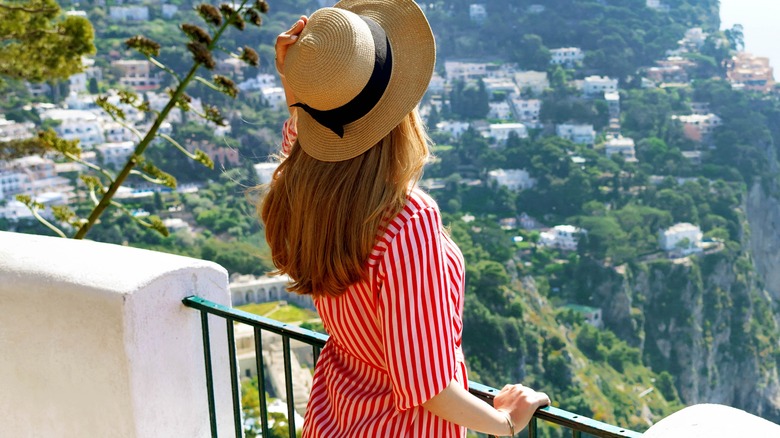
Every summer brings new fashion trends, but this year feels noticeably different. Instead of focusing only on bold statement pieces or heavily formal outfits, people are building wardrobes around comfort, flexibility, and repeatable styling.
Fashion consumers today want clothing that fits naturally into their lifestyle. Whether it is for work, casual outings, travel plans, brunches, or family gatherings, modern wardrobes are being designed with versatility in mind.
This shift has changed the way people shop during seasonal transitions.
Consumers are no longer interested in overcrowded wardrobes filled with one-time outfits. They are refreshing their summer collections more thoughtfully by choosing pieces that feel wearable, breathable, and easy to style repeatedly.
Lightweight Fabrics Are Dominating Summer Fashion
One of the biggest trends shaping summer wardrobes this year is the demand for lightweight fabrics. Rising temperatures have made comfort a priority, but consumers still want clothing that looks polished and refined.
This has increased the popularity of soft textures, airy silhouettes, and breathable materials that work well throughout long summer days.
Fashion is becoming more practical without losing its visual appeal.
Consumers are especially drawn toward fabrics that allow movement while maintaining a graceful appearance. Relaxed cuts, flowy shirts, wide sleeves, and easy-to-carry silhouettes are becoming central to modern summer styling.
The focus is no longer only on looking fashionable. People also want to feel comfortable enough to wear outfits confidently for extended hours.
Neutral Tones and Soft Colors Are Trending
Another major shift happening this season is the move toward softer color palettes. Bright neon shades and overly loud combinations are gradually becoming less common for everyday wear.
Instead, fashion consumers are leaning toward neutral tones, muted pastels, earthy shades, and subtle prints.
These colors feel more versatile and timeless, which aligns perfectly with the growing preference for repeatable styling. Soft palettes also make it easier to mix and match outfits without requiring entirely separate wardrobes for different occasions.
Minimal aesthetics are becoming increasingly desirable because they create a cleaner and more effortless appearance.
This trend reflects the broader movement toward understated elegance in modern fashion.
People Are Shopping More Strategically
Consumer behavior around seasonal shopping is also changing significantly. Instead of purchasing impulsively at the beginning of every season, many people now wait for better shopping opportunities before refreshing their wardrobes.
This is one of the reasons why summer sale periods have become highly anticipated among fashion buyers. Consumers understand retail cycles better than before, and many intentionally plan their purchases around promotional shopping windows.
People still want quality fashion, but they are becoming smarter about how they spend money.
Seasonal sales now feel less like clearance events and more like opportunities to invest in wearable pieces at better value.
Everyday Styling Is Becoming More Important
Summer fashion is no longer centered only around weddings, Eid events, or formal occasions. Everyday dressing has become equally important.
Women are now paying closer attention to how they style themselves for routine activities such as coffee meetups, work calls, shopping trips, and casual dinners.
This has increased interest in outfits that balance simplicity with sophistication.
Consumers want clothing that feels polished without appearing overly formal. Minimal embroidery, artistic prints, clean tailoring, and relaxed silhouettes are becoming popular because they fit naturally into daily life.
Fashion today is being shaped by lifestyle needs rather than only event-based dressing.
Repeatable Fashion Is Replacing One-Time Wear
Another noticeable trend this year is the growing rejection of one-time fashion purchases. Consumers are becoming more conscious about wardrobe functionality.
Instead of buying outfits that can only be worn once, people now prefer versatile pieces that can be styled differently multiple times.
This shift has encouraged more intentional shopping habits.
Women are investing in clothing that transitions smoothly between casual and semi-formal settings with only minor styling adjustments. Accessories, footwear, layering, and makeup are being used creatively to transform simple outfits into different looks.
This approach not only feels practical but also supports more sustainable fashion behavior.
Accessories Are Becoming More Minimal
Fashion accessories are also following the minimalist movement. Oversized statement styling is gradually being replaced with cleaner and more refined choices.
Structured handbags, delicate jewelry, neutral footwear, and subtle layering pieces are becoming more common because they complement modern summer wardrobes without overpowering them.
Consumers want accessories that enhance outfits naturally instead of dominating the entire look.
This softer approach to styling aligns perfectly with current fashion preferences centered around ease, balance, and understated elegance.
Social Media Continues Influencing Summer Trends
Digital platforms continue shaping fashion behavior, but consumers are now interpreting trends more selectively.
Instead of copying complete looks directly from influencers, people are adapting trends according to their personal comfort and lifestyle. This has created greater individuality within fashion despite widespread online influence.
Consumers are becoming more confident in mixing trends with personal preferences.
As a result, summer wardrobes in 2026 feel more authentic, practical, and wearable compared to highly trend-driven fashion cycles from previous years.
The Future of Summer Fashion
The biggest fashion trend this year is not a specific color, print, or silhouette. It is the overall shift toward smarter and more intentional dressing.
Consumers want wardrobes that feel flexible, elegant, and comfortable enough for real life. They are prioritizing wearability over hype and versatility over excessive trend-chasing.
This approach is likely to continue shaping fashion beyond just one season.
Summer wardrobes are no longer being built around temporary excitement. They are being built around confidence, practicality, and personal style.