

Introduction
Modern air travel is about far more than simply getting from one destination to another. Travelers today expect a flight experience that is comfortable, efficient, and reliable, regardless of whether they are flying for business or leisure. To meet these expectations, aircraft manufacturers continually refine airplane designs to improve everything from fuel efficiency and cabin noise levels to seating arrangements and air quality. Advances in materials, aerodynamics, and onboard technology have transformed the passenger experience while helping airlines operate more sustainably and cost-effectively. Understanding how aircraft design contributes to both comfort and efficiency provides insight into the innovation that shapes every journey in the sky.
Advanced Aerodynamics Create Smoother Flights
One of the most important aspects of aircraft design is aerodynamics. Engineers carefully shape an aircraft’s wings, fuselage, and tail components to reduce drag and maximize performance. A more aerodynamic aircraft can move through the air with less resistance, requiring less fuel while maintaining optimal speed.
For passengers, these improvements often translate into a smoother flying experience. Modern wing designs help improve stability during flight and can reduce the effects of turbulence under certain conditions. Features such as winglets, the upward-curving extensions found on many aircraft wings, improve airflow and contribute to fuel savings while enhancing overall aircraft performance.
By minimizing drag and increasing efficiency, airlines can reduce operating costs and extend flight ranges, allowing travelers to enjoy more direct routes and fewer layovers.
Lighter Materials Improve Performance and Sustainability
Aircraft manufacturers increasingly rely on lightweight composite materials instead of traditional metal components. These advanced materials offer excellent strength while significantly reducing overall aircraft weight.
A lighter aircraft requires less fuel to operate, which improves efficiency and lowers emissions. This benefits airlines by reducing costs and supports industry efforts to improve environmental sustainability.
Passengers also experience advantages from these materials. Composite structures help reduce cabin noise and can improve overall ride quality. Newer aircraft are often designed with larger windows and enhanced cabin structures made possible by advanced materials, creating a more open and comfortable environment for travelers. The combination of durability, reduced weight, and improved cabin design makes modern aircraft both more efficient and more enjoyable to fly on.
Smarter Cabin Designs Enhance Passenger Comfort
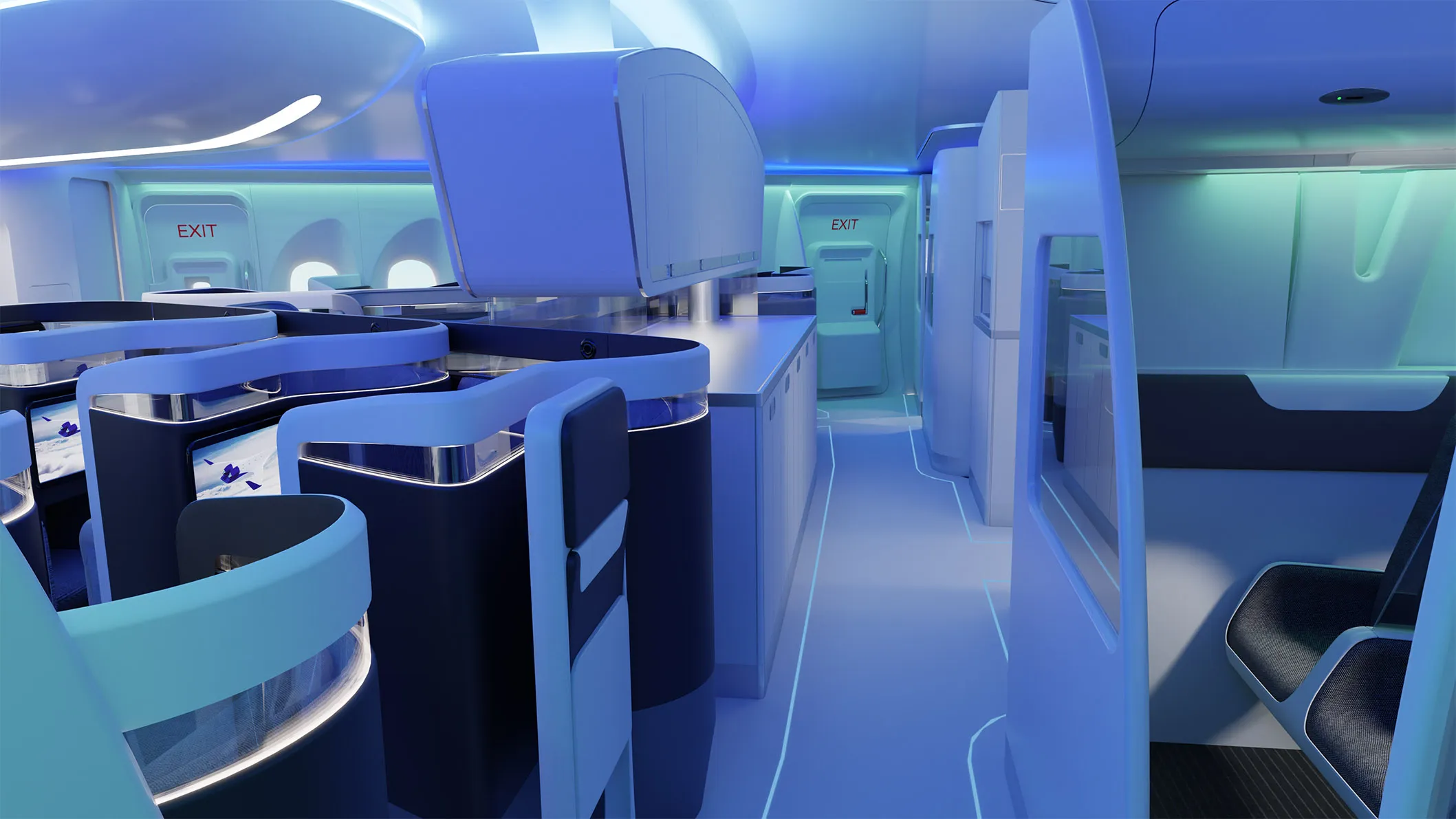
Today’s aircraft interiors are designed with passenger wellbeing in mind. Airlines and manufacturers work together to create cabins that maximize available space while improving comfort during short and long-haul flights.
Many modern aircraft feature wider aisles, larger overhead storage bins, and redesigned seating layouts that make boarding and deplaning more efficient. Improved lighting systems use adjustable LED technology to create a more pleasant atmosphere throughout the journey. Some airlines even utilize lighting programs designed to help reduce the effects of jet lag on long international flights.
Cabin pressurization systems have also improved significantly. Newer aircraft can maintain cabin environments closer to natural ground-level conditions, which may help passengers feel less fatigued during lengthy flights. Better humidity control and enhanced air circulation further contribute to a more comfortable travel experience from takeoff to landing.
Technology Supports Efficiency on the Ground and in the Air
Modern aircraft are equipped with sophisticated onboard technology that improves operational efficiency while enhancing safety and performance. Advanced flight management systems help pilots select optimal flight routes, monitor fuel consumption, and adapt to changing weather conditions.
Efficiency extends beyond the aircraft itself. Airports and airlines rely on innovative systems and specialized aircraft ground support equipment to streamline operations before and after every flight. From aircraft towing and baggage handling to fueling and maintenance support, these technologies help minimize delays and ensure that flights remain on schedule.
Real-time communication systems also allow crews and operational teams to coordinate more effectively. By improving efficiency both in the air and on the ground, these advancements contribute to a smoother experience for travelers while helping airlines manage resources more effectively.
Passenger-Focused Innovations Continue to Evolve
Aircraft design is increasingly driven by passenger expectations. Manufacturers recognize that comfort plays a major role in customer satisfaction, particularly as travelers spend more time in the air on long-distance routes.
Noise reduction is one area that has seen remarkable progress. Modern engines are quieter than previous generations, and aircraft cabins are better insulated to reduce engine and airflow noise. This creates a more relaxing environment where passengers can work, rest, or enjoy onboard entertainment with fewer distractions.
Connectivity is another important consideration. Many newer aircraft are designed to support high-speed internet access and advanced entertainment systems. At the same time, power outlets, USB charging ports, and personal device integration have become standard features on many fleets. These additions reflect the growing importance of staying connected while traveling and demonstrate how aircraft design continues to adapt to passenger needs.
Conclusion
Aircraft design has evolved dramatically over the years, combining engineering innovation with a strong focus on passenger experience. Advances in aerodynamics, lightweight materials, cabin architecture, and operational technology have helped create aircraft that are safer, more efficient, and significantly more comfortable than their predecessors. As airlines continue to seek improvements in performance and customer satisfaction, future aircraft designs will likely introduce even more innovations that enhance both efficiency and comfort. For travelers, these ongoing developments mean a better flying experience and a more connected world.