

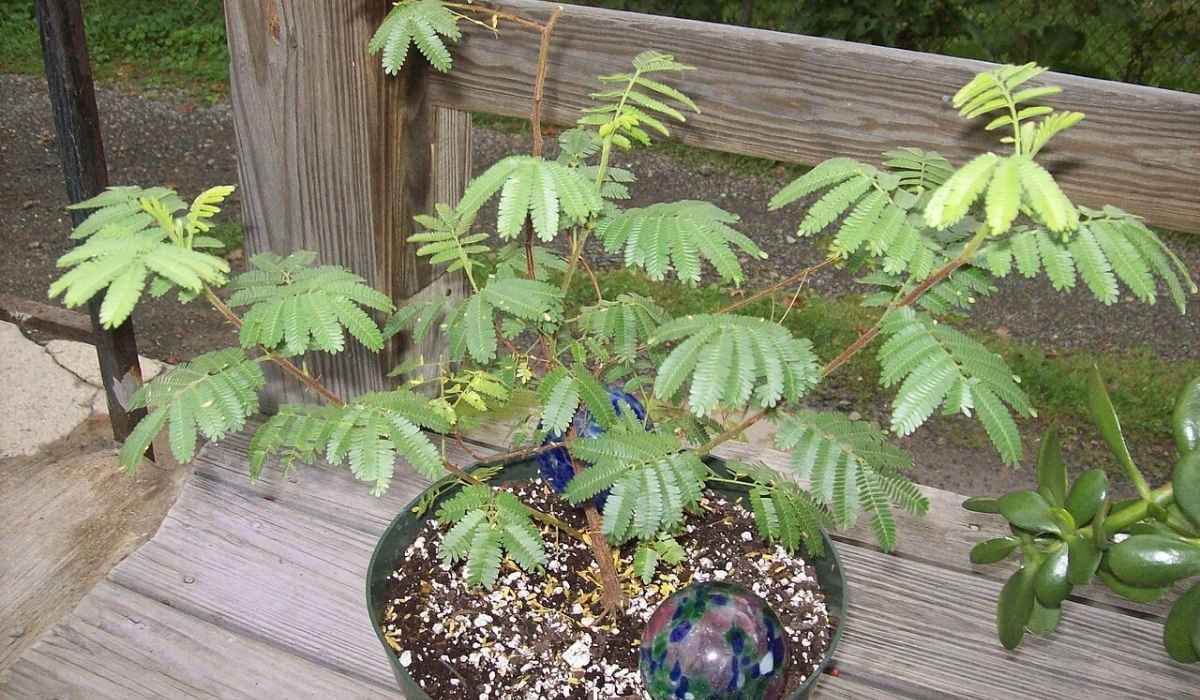
Introduction
mimosa hostilis is a remarkable plant species known for its resilience, deep-rooted cultural significance, and wide-ranging applications across different fields. It has attracted attention from botanists, researchers, and traditional practitioners because of its unique biological characteristics and long history of human use. In its native environments, mimosa hostilis grows in challenging ecological conditions, yet continues to thrive and regenerate even after environmental stress. The plant’s adaptability has made it an important subject in ecological studies and sustainable land restoration discussions.
Beyond its ecological importance, mimosa hostilis also holds a strong position in ethnobotanical history, where it has been used for generations in traditional practices. Its root bark, in particular, has been historically valued for dyeing, ritual, and herbal applications. Today, interest in mimosa hostilis continues to expand globally, as researchers examine its chemical profile and potential industrial relevance. This combination of traditional knowledge and modern scientific curiosity makes it a uniquely significant plant species in both cultural and environmental contexts.
Quick Botanical Profile
| Attribute | Description |
|---|---|
| Scientific Type | Perennial tree/shrub species |
| Native Region | Central and South America |
| Key Feature | Highly regenerative root system |
| Traditional Use | Dyeing, rituals, natural applications |
| Growth Condition | Dry tropical and semi-arid climates |
Botanical Characteristics and Growth Behavior
The biological structure of mimosa hostilis is one of its most fascinating features, particularly its ability to adapt to harsh soil and climate conditions. The plant develops a deep and extensive root system that allows it to survive prolonged dry periods while also stabilizing soil in erosion-prone areas. Its feathery green leaves and small clustered flowers contribute to its recognition in natural landscapes. In ecological systems, mimosa hostilis often plays a role in soil restoration due to its nitrogen-fixing ability, which improves soil fertility over time.
Another important aspect of mimosa hostilis is its rapid regrowth after cutting or environmental damage. This regenerative ability ensures its survival in regions where other plants might struggle. The plant also produces seed pods that help it propagate efficiently in suitable environments. Its overall resilience makes it a valuable species in ecological restoration projects, particularly in degraded or semi-arid regions where soil recovery is essential.
Geographical Distribution and Natural Habitat
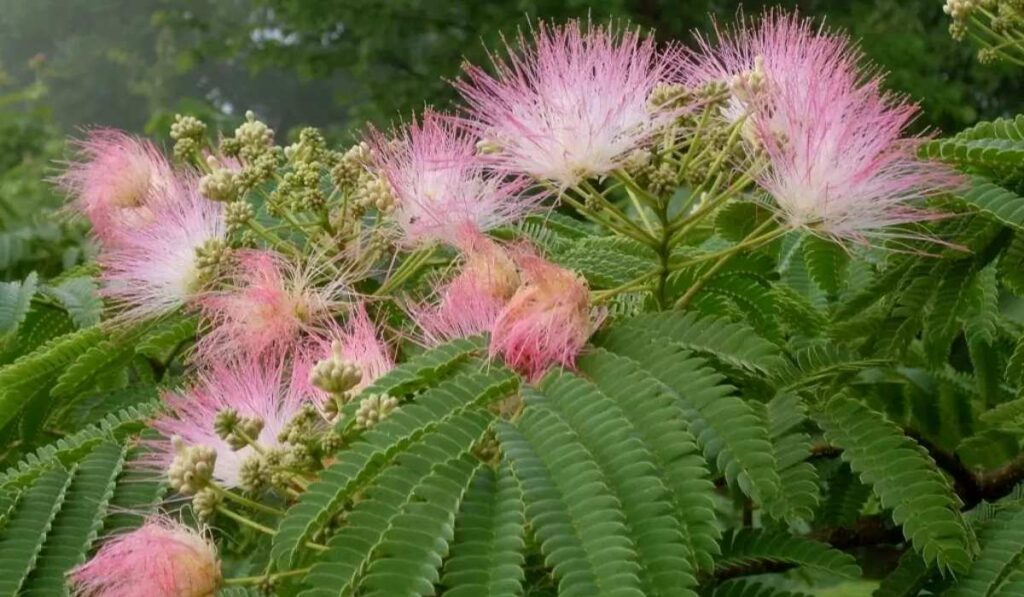
The natural distribution of mimosa hostilis spans across several countries in Central and South America, where it is commonly found in warm, dry, and semi-arid regions. It thrives in environments that receive seasonal rainfall and extended dry periods, demonstrating a strong tolerance for environmental variability. The plant is often found in open fields, forest edges, and disturbed land areas where competition with other vegetation is minimal.
In many of these regions, mimosa hostilis has become naturalized, meaning it continues to grow and reproduce without human intervention. Its ability to colonize disturbed ecosystems makes it both a pioneer species and an important ecological stabilizer. Over time, its presence can significantly improve soil structure and contribute to the recovery of vegetation in degraded landscapes.
Historical and Cultural Significance
The historical importance of mimosa hostilis is deeply rooted in indigenous traditions, where it has been used for centuries in various cultural practices. Many communities have valued the plant for its root bark, which has been used to produce natural dyes and pigments for textiles and ceremonial art. These traditional uses highlight the plant’s long-standing role in cultural expression and craftsmanship.
In addition to its material applications, mimosa hostilis has also been associated with spiritual and ritual practices in certain cultures. Its significance often extends beyond practical use, representing a connection between natural ecosystems and human tradition. This cultural legacy continues to influence modern interest in the plant, especially among those studying ethnobotany and traditional ecological knowledge systems.
Chemical Composition and Biological Properties
The chemical profile of mimosa hostilis is one of the reasons it has gained significant scientific attention. The plant contains a variety of naturally occurring compounds, particularly concentrated in its root bark. These compounds contribute to its pigmentation properties and have been studied for their biochemical behavior in different applications.
Research into mimosa hostilis has focused on understanding how its chemical constituents interact with environmental and biological systems. While much of the study remains exploratory, the plant’s complex molecular structure makes it a subject of interest in natural product chemistry. Its composition also plays a role in its traditional dyeing capabilities, where natural pigments are extracted for textile use.
Ecological Role and Environmental Importance
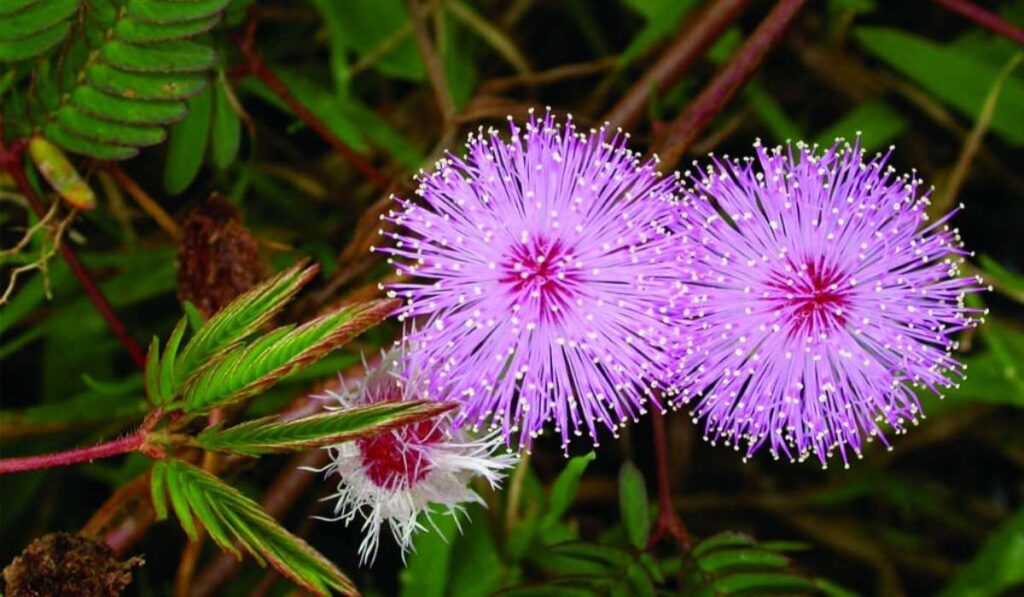
In ecological terms, mimosa hostilis plays an important role in maintaining soil health and supporting biodiversity in its native habitats. Its nitrogen-fixing properties allow it to enrich soil quality, which benefits surrounding plant species. This makes it particularly valuable in ecosystems that have been degraded by agriculture, deforestation, or erosion.
The plant also contributes to habitat stability by preventing soil erosion through its root system. In regions where land degradation is a concern, mimosa hostilis is sometimes considered a beneficial species for ecological rehabilitation projects. Its ability to grow in poor soils while improving environmental conditions highlights its ecological importance.
Traditional Uses and Ethnobotanical Applications
Traditional communities have long utilized mimosa hostilis for practical and cultural purposes. One of its most well-known applications is in natural dye production, where the root bark is processed to produce rich pigments used in textiles and crafts. This use has been passed down through generations and remains an important part of cultural heritage in some regions.
Beyond dyeing, mimosa hostilis has also been used in various traditional herbal preparations. These uses are based on indigenous knowledge systems that have developed over centuries of observation and experience with local flora. The plant’s versatility in traditional settings reflects its deep integration into human cultural practices.
Modern Applications and Scientific Interest
In modern times, mimosa hostilis has gained attention from researchers, environmentalists, and industrial sectors due to its unique properties. Its natural dye potential has sparked interest in sustainable textile production, where synthetic chemicals are being replaced with plant-based alternatives. This aligns with global trends toward eco-friendly materials and sustainable manufacturing practices.
Scientific research into mimosa hostilis continues to explore its chemical structure and potential applications in various fields. While traditional uses remain culturally significant, modern studies are focused on understanding how the plant can contribute to sustainable development, ecological restoration, and natural product innovation.
Cultivation and Propagation Methods
Cultivating mimosa hostilis requires an understanding of its natural growth preferences. The plant thrives in warm climates with well-drained soil and moderate rainfall. It can be propagated through seeds, which germinate best under suitable temperature and moisture conditions. Once established, the plant requires relatively low maintenance due to its hardy nature.
Farmers and horticulturists interested in mimosa hostilis often value its ability to grow in poor soils, making it suitable for marginal land cultivation. Its resilience reduces the need for intensive agricultural inputs, which supports sustainable cultivation practices. However, proper management is still necessary to ensure controlled growth and ecological balance.
Sustainability and Environmental Considerations
The increasing global interest in mimosa hostilis has raised important discussions about sustainability and responsible use. As demand for natural resources grows, it is essential to ensure that harvesting practices do not negatively impact natural populations. Sustainable cultivation and ethical sourcing are key to preserving the plant’s ecological and cultural value.
Efforts to promote responsible use of mimosa hostilis include encouraging cultivation over wild harvesting and supporting conservation initiatives in native regions. These practices help maintain ecological balance while allowing continued research and utilization of the plant’s beneficial properties.
Conclusion
mimosa hostilis stands as a plant of remarkable ecological, cultural, and scientific importance. Its adaptability, rich history, and diverse applications make it a subject of ongoing interest across multiple disciplines. From traditional uses in indigenous cultures to modern scientific exploration, the plant continues to demonstrate its relevance in both natural and human systems. Understanding its characteristics and ensuring its sustainable use will be essential for preserving its value for future generations.
Frequently Asked Questions
1. What is mimosa hostilis used for?
- Used in natural dye production, traditional practices, ecological restoration, and scientific research.
2. Where does mimosa hostilis naturally grow?
- Found mainly in Central and South American tropical and semi-arid regions.
3. Why is mimosa hostilis important in ecology?
- Improves soil fertility, prevents erosion, and supports ecosystem recovery.
4. Can mimosa hostilis be cultivated easily?
- Yes, it grows well in warm climates with minimal maintenance once established.
5. Why is mimosa hostilis studied by scientists?
- Due to its unique chemical composition, ecological benefits, and potential sustainable applications.