

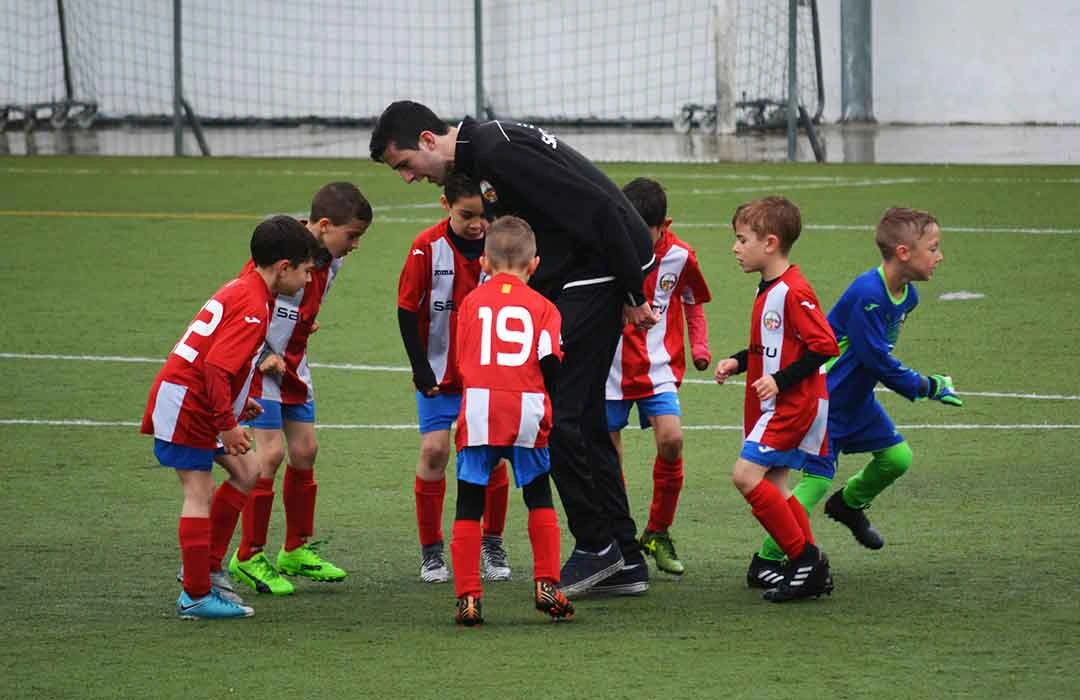
Getting children involved in sports at a young age offers far-reaching benefits that extend well beyond the playing field. As parents increasingly recognize the value of early athletic participation, research continues to support the profound positive impacts on physical health, mental development, and social skills. When children begin their sports journey early, they develop foundational skills and habits that serve them throughout their entire lives. The advantages of early sports participation touch every aspect of a child’s development, from building physical strength and coordination to fostering emotional resilience and creating lasting friendships.
Physical Health and Motor Skill Development
Early participation in sports provides children with crucial opportunities to develop their motor skills during the most formative years of physical development. Between the ages of three and ten, children experience rapid growth in their ability to control their movements, balance their bodies, and coordinate complex physical actions. Sports activities help refine both gross motor skills, like running, jumping, and throwing, as well as fine motor skills required for precision movements. Regular physical activity during childhood establishes neural pathways that make future athletic movements more natural and efficient.
Children who start sports early typically demonstrate superior hand, eye coordination, spatial awareness, and overall body control compared to their sedentary peers. What’s more, early sports involvement helps combat childhood obesity by establishing active lifestyles before unhealthy sedentary habits can take root. The cardiovascular benefits of regular exercise during childhood contribute to stronger hearts, improved lung capacity, and better overall physical fitness that carries into adolescence and adulthood. These physical advantages don’t just appear overnight, they’re built gradually through consistent participation and practice.
Cognitive Function and Academic Performance
The connection between physical activity and brain development in children has been extensively documented by educational researchers and neuroscientists. Sports participation stimulates the production of brain-derived neurotrophic factors, a protein that supports the growth of new neurons and synaptic connections essential for learning. Children who engage in regular sports activities show improved concentration, better memory retention, and enhanced problem-solving abilities in classroom settings. The discipline required to learn sports techniques translates directly to improved focus during academic tasks and homework completion.
Strategic sports like tennis, basketball, and soccer require quick decision-making and spatial reasoning that strengthen executive function skills. Studies have consistently shown that student-athletes often achieve higher grade point averages than non-participating students, partly due to the time management skills developed through balancing sports and schoolwork. Furthermore, the goal-setting practices inherent in sports training teach children how to break large objectives into manageable steps, a skill that proves invaluable in academic pursuits. It’s fascinating how the mental agility developed on the field or court carries over so directly into the classroom.
Social Skills and Emotional Intelligence
Team sports provide natural laboratories where children learn essential social skills through direct interaction with peers, coaches, and opponents. Early sports participation teaches children how to communicate effectively, collaborate toward common goals, and navigate the complex dynamics of group relationships. Young athletes develop empathy by learning to recognize and respond to teammates’ emotions during both victories and defeats. The structured environment of organized sports gives children safe space to practice conflict resolution, negotiate disagreements, and understand different perspectives.
Children learn to accept coaching feedback gracefully, building resilience against criticism and developing growth mindsets that embrace constructive input. Sports also expose children to diverse groups of people from different backgrounds, fostering cultural awareness and reducing prejudices through shared experiences. The friendships formed through sports often prove deeper and more lasting than casual school relationships because they’re built on mutual effort, shared challenges, and collective achievements. There’s something powerful about bonds forged through working together toward a common goal.
Building Confidence and Self-Esteem
Mastering sports skills provides children with tangible evidence of their capabilities, creating powerful foundations for healthy self-esteem. Each small victory, whether completing a difficult drill or improving a personal best, reinforces a child’s belief in their ability to overcome challenges through effort and practice. Early sports participation allows children to discover their strengths in environments where success isn’t solely measured by academic performance. The immediate feedback inherent in sports activities helps children understand the direct relationship between practice and improvement, fostering internal motivation rather than dependence on external validation.
Young athletes learn that failure is a natural part of growth rather than a reflection of their worth, building psychological resilience that protects against anxiety and depression. Children who participate in sports develop stronger body image and physical self-confidence, which proves particularly valuable during the challenging adolescent years. The recognition and praise received from coaches, teammates, and parents during sports activities create positive reinforcement cycles that encourage continued effort and skill development. Watching a child’s face light up when they achieve something they’ve worked hard for is one of the most rewarding experiences for any parent or coach.
Character Development and Life Skills
Sports serve as powerful vehicles for teaching fundamental values and character traits that shape children into responsible, ethical adults. Early athletic participation instills discipline through regular practice schedules, punctuality requirements, and commitment to team obligations. Children learn the meaning of perseverance as they work through physical challenges, skill plateaus, and competitive disappointments. The competitive nature of sports teaches children how to handle both success and failure with grace, developing humility in victory and resilience in defeat.
Young athletes discover the importance of fair play, honesty, and respect for rules, laying ethical foundations that extend beyond sports into all areas of life. Sports also teach children about delayed gratification as they work toward long, term goals rather than seeking immediate rewards. When introducing children to activities like golf, having properly sized equipment such as a junior golf bag ensures young players can comfortably carry their clubs and develop proper techniques from the start. The responsibility of caring for equipment, following safety protocols, and respecting teammates’ efforts cultivates accountability and reliability. These character-building experiences during formative years create strong moral compasses that guide children’s decisions throughout their lives.
Conclusion
Starting sports early provides children with comprehensive developmental advantages that positively impact their physical health, cognitive abilities, social skills, and character formation. The benefits gained through early athletic participation extend far beyond childhood, establishing patterns of active living, resilient thinking, and collaborative engagement that last throughout adulthood. By introducing children to sports during their formative years, parents give them invaluable tools for navigating lifes’ challenges while building confidence, discipline, and healthy relationships. The investment in early sports participation yields dividends across every aspect of a child’s development, making it one of the most impactful decisions parents can make for their children’s long, term wellbeing and success.