
The use of solar energy has expanded significantly as homeowners and businesses seek cost-effective and sustainable energy solutions. Installing a solar system is a significant investment, but the efficiency and longevity of the system depend on proper monitoring and maintenance. Solar providers understand that even a well-installed solar panel system can experience performance issues over time due to environmental factors, technical malfunctions, or operational inefficiencies. This is why solar monitoring system installation services play a crucial role in ensuring that solar energy systems continue to operate at peak efficiency long after the initial setup. These services provide real-time insights into system performance, alert homeowners to potential issues, and enable timely maintenance actions, all of which protect the long-term investment in solar energy. Understanding how solar providers manage these processes is essential for anyone considering or already using solar energy solutions.
Importance of Monitoring in Solar Energy Systems
The performance of solar panels can vary significantly due to several factors including weather conditions, shading, debris accumulation, and component degradation. Without monitoring, small issues may go unnoticed until they impact energy production and system efficiency. Solar monitoring system installation services allow providers to track energy output continuously and detect deviations from expected performance. This level of oversight ensures that any issues are addressed promptly, minimizing downtime and maximizing energy savings. For businesses that rely on solar energy to reduce operational costs, consistent monitoring is especially critical, as even a small drop in energy output can translate into substantial financial losses over time.
How Solar Monitoring Systems Work
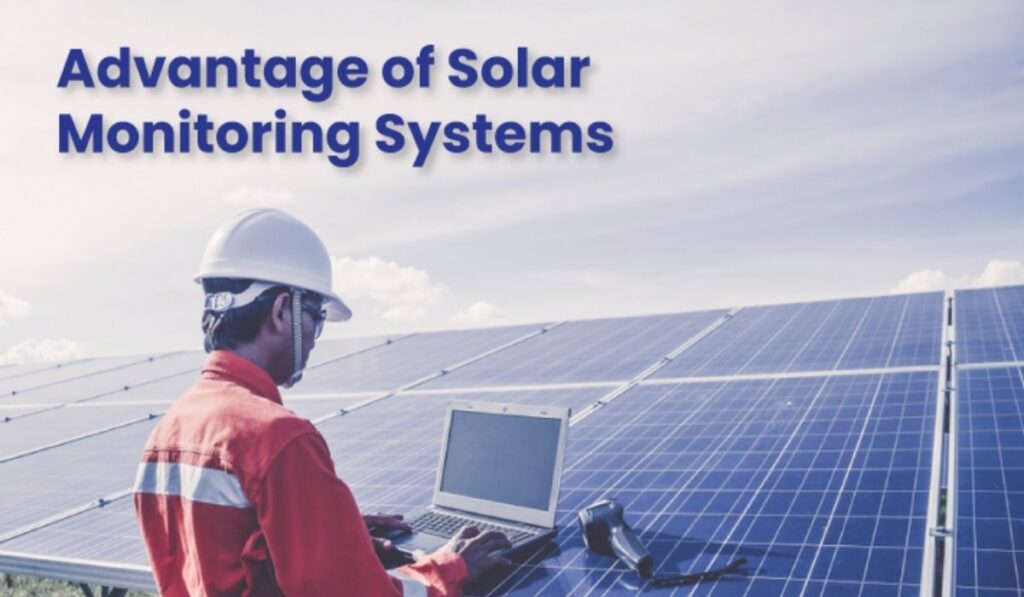
A solar monitoring system collects data from various components of a solar energy setup, including solar panels, inverters, and batteries if applicable. This data is transmitted to a centralized platform where it can be analyzed in real time. Providers use sophisticated software tools to detect anomalies, track efficiency, and generate reports that summarize system performance over days, weeks, or months. Solar monitoring system installation services ensure that these systems are configured correctly during installation, enabling accurate and actionable data collection. Real-time alerts can notify homeowners or service teams about performance drops, inverter errors, or other technical problems, allowing them to take immediate corrective action.
Benefits of Professional Installation Services
While it is possible for some solar system owners to set up basic monitoring themselves, professional solar monitoring system installation services offer numerous advantages. Experts ensure that the hardware is installed correctly, the software is configured for accurate data collection, and the system integrates seamlessly with other components. Professional installation reduces the risk of errors that could lead to incorrect readings or missed alerts. It also guarantees that the monitoring system is optimized to capture all relevant performance metrics, which is vital for long-term maintenance planning. A professionally installed system can also facilitate warranty claims and insurance processes since reliable monitoring records demonstrate consistent maintenance and oversight.
Detecting and Preventing System Issues
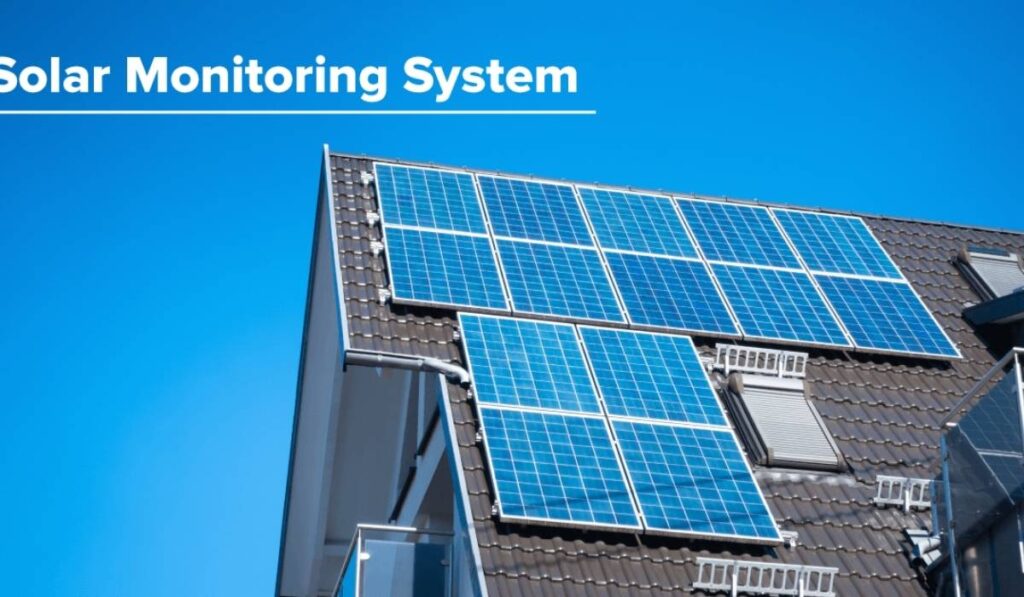
One of the primary reasons solar providers offer solar monitoring system installation services is to prevent minor issues from becoming major problems. Solar panels can experience shading from nearby trees, dirt accumulation, or even damage from extreme weather events. Without monitoring, these issues can go undetected for long periods, reducing overall energy production. Monitoring systems alert providers to irregularities such as unexpected drops in voltage or current, allowing technicians to investigate and resolve the problem promptly. This proactive approach helps maintain optimal energy output and prolongs the lifespan of the solar system.
Data-Driven Maintenance and Optimization
Modern solar monitoring systems do more than detect problems; they provide actionable insights that guide maintenance and optimization. By analyzing historical data, providers can identify patterns that may indicate underlying issues or areas for improvement. Solar monitoring system installation services include configuring dashboards and reporting tools that allow both providers and homeowners to visualize system performance over time. Regular analysis enables technicians to schedule preventative maintenance, adjust panel angles, and optimize inverter settings. This data-driven approach ensures that solar energy systems operate efficiently, reducing operational costs and enhancing overall reliability.
Remote Monitoring Capabilities
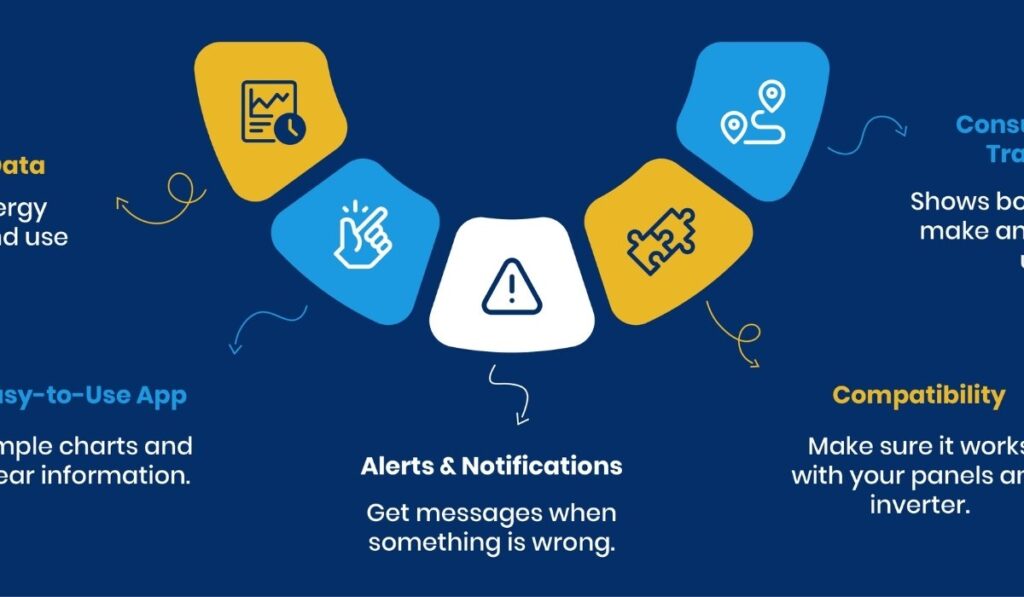
A significant advantage of professional solar monitoring system installation services is the ability to monitor systems remotely. Providers can track performance from any location using web-based platforms or mobile applications. Remote monitoring eliminates the need for frequent on-site inspections, saving time and reducing operational expenses. It also enables quick responses to alerts or malfunctions, ensuring that any necessary repairs or adjustments are made promptly. For homeowners, remote monitoring provides peace of mind, as they can track energy production and system performance in real time without physically checking the panels or inverters.
Integration with Other Energy Management Systems
As energy management technology evolves, solar monitoring systems increasingly integrate with other home or business energy solutions. This integration allows for more efficient energy use, better storage management, and informed decisions about energy consumption. Solar monitoring system installation services ensure that monitoring hardware and software are compatible with energy storage systems, smart home devices, and energy management platforms. This connectivity enhances the overall value of solar energy investments, as users can maximize energy efficiency and reduce reliance on the grid by monitoring production and consumption patterns in real time.
Long-Term Benefits for Homeowners and Businesses
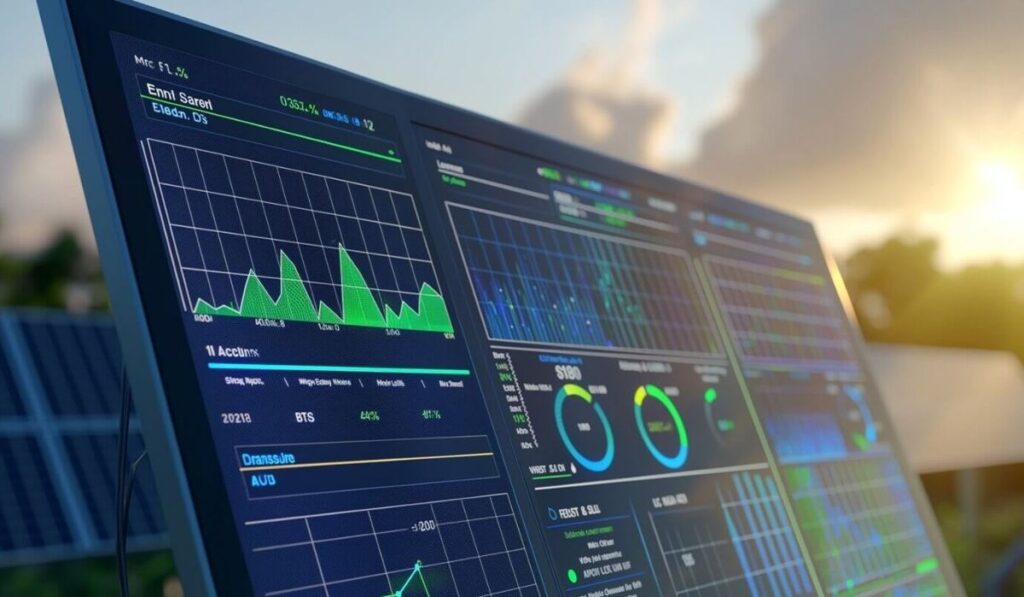
Investing in solar monitoring system installation services provides long-term benefits beyond immediate maintenance and performance tracking. Continuous monitoring helps maintain system warranties, reduces the likelihood of costly repairs, and ensures consistent energy output. Businesses can use monitoring data for operational planning, while homeowners gain insight into energy usage and potential savings. Reliable monitoring also supports sustainability goals by ensuring that solar energy systems continue to operate efficiently and minimize environmental impact over the years. Overall, professional installation and monitoring provide a level of assurance that protects both the financial and environmental value of solar energy investments.
Conclusion
Solar monitoring system installation services are a critical component of effective solar energy management. From installation to ongoing maintenance, these services enable providers to monitor system performance, detect issues early, and optimize energy production. Homeowners and businesses benefit from reliable, data-driven insights that prolong the life of solar panels, enhance efficiency, and maximize return on investment. As solar energy adoption continues to grow, professional monitoring services will remain essential to ensuring that solar systems operate at peak performance for years to come. By understanding the role and benefits of these services, solar energy users can make informed decisions that safeguard their investments and support sustainable energy practices.
Frequently Asked Questions
1. What are solar monitoring system installation services?
- Services that install and configure monitoring systems to track solar energy performance.
2. Why is professional installation important?
- Ensures accurate data collection and proper system configuration for efficiency.
3. Can I monitor my solar system remotely?
- Yes, professional systems allow remote monitoring through apps or web platforms.
4. How do monitoring services prevent system issues?
- By alerting providers to performance drops and technical anomalies promptly.
5. Do monitoring systems help with maintenance planning?
- Yes, they provide data to schedule preventative maintenance and optimize performance.