
Introduction to Ube
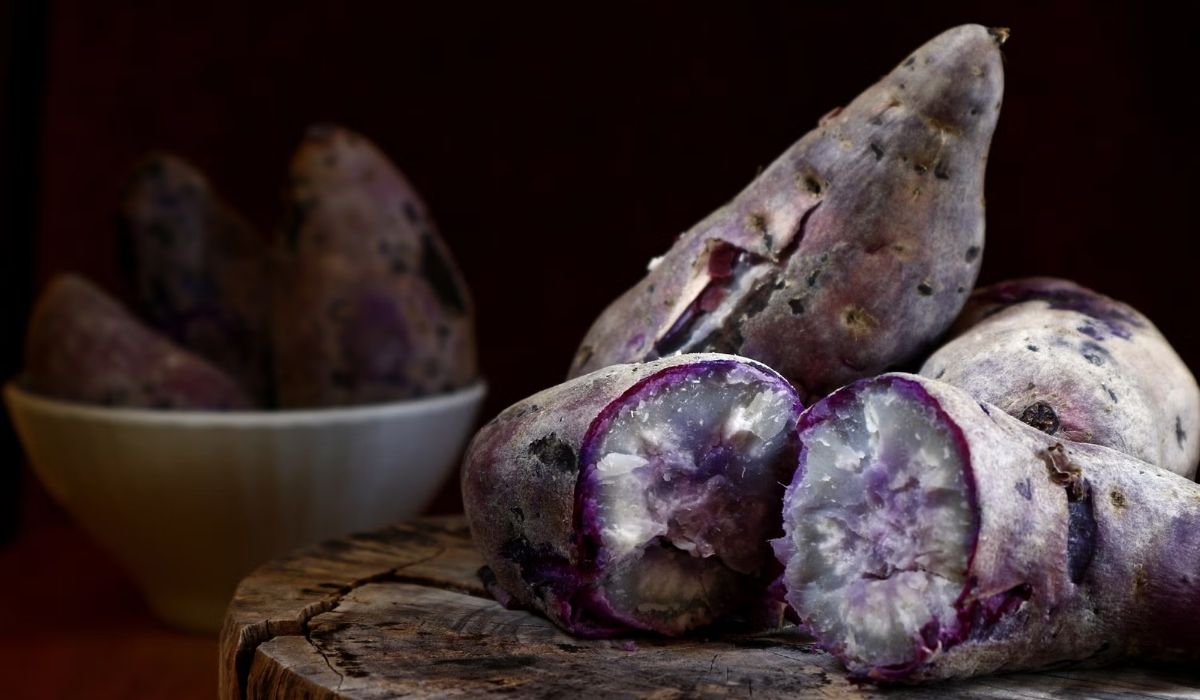
Ube, commonly known as purple yam, is a staple ingredient in Filipino cuisine that has gained worldwide popularity for its vibrant purple color and unique flavor. For first-time tasters, one of the most common questions is what flavour is ube. Ube is naturally sweet with subtle earthy undertones and a mild nuttiness, making it both versatile and distinctive. This yam is used in a variety of traditional desserts like ube halaya and halo-halo, as well as modern creations such as ube ice cream, cheesecakes, and pastries. Understanding what flavour is ube allows both home cooks and professional chefs to appreciate its culinary potential.
The Flavor Profile of Ube
To explain what flavour is ube, it is essential to consider its layered taste. Ube offers a gentle sweetness that is reminiscent of vanilla, paired with earthy and slightly nutty undertones. Unlike sweet potatoes, which can sometimes taste bland or starchy, ube’s flavor has depth and complexity. Its subtle nuttiness complements sweet and creamy ingredients, while its mild earthiness enhances its appeal in desserts, baked goods, and even some savory applications. The combination of these characteristics makes ube a highly adaptable ingredient for creative recipes.
Ube in Traditional Filipino Desserts
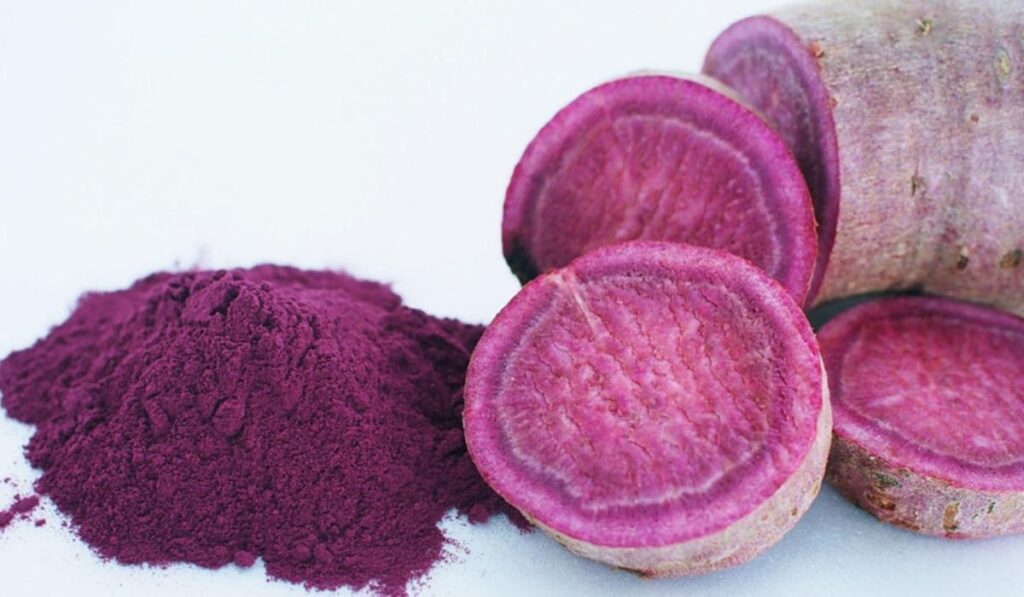
In Filipino cuisine, ube is a treasured component of many desserts. Ube halaya, a sweet mashed purple yam dessert, highlights the yam’s natural flavor, answering the question of what flavour is ube for anyone unfamiliar with it. Halo-halo, a famous shaved ice dessert, also prominently features ube as a vibrant purple layer that contributes both color and taste. These traditional dishes showcase ube’s sweet, earthy, and slightly nutty flavor, providing a foundation for understanding its culinary versatility.
Ube in Modern Baking
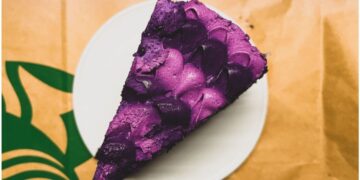
With global culinary trends, ube has made its way into modern baking. Cupcakes, breads, cheesecakes, and cookies often include ube as a main ingredient. Understanding what flavour is ube helps bakers balance its natural sweetness with other flavors like cream cheese, chocolate, and coconut. Ube’s gentle flavor allows it to blend seamlessly in baked goods, while its vivid color adds visual appeal. By pairing it with complementary ingredients, bakers can create desserts that highlight ube’s unique flavor without overpowering other elements.
Ube in Ice Cream and Beverages
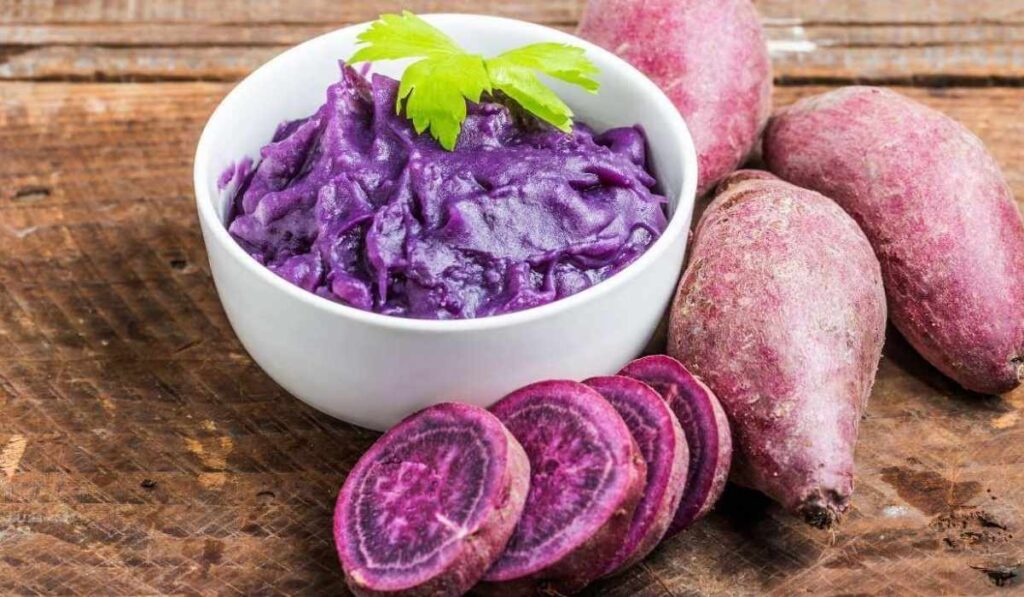
Ube is increasingly popular in ice creams, milkshakes, and beverages, offering a creamy and flavorful experience. Its naturally sweet and nutty taste makes it an ideal ingredient for frozen treats. Answering what flavour is ube in these applications often highlights its balance between sweetness and earthy notes. Ube milkshakes provide a mellow, comforting flavor, while soft-serve ube ice cream delivers smoothness combined with subtle nuttiness. Its flavor is versatile enough to pair with syrups, toppings, and even coffee-based beverages.
Nutritional Benefits of Ube
Beyond taste, ube provides nutritional benefits. It is rich in fiber, antioxidants, and vitamins, making it a healthier alternative to refined sweeteners in desserts. Its natural sweetness allows cooks to reduce added sugar in recipes without compromising flavor. Understanding what flavour is ube also means recognizing its contribution to healthful cooking, making it suitable for indulgent desserts that are still nutritionally mindful.
Cooking Techniques to Highlight Flavor
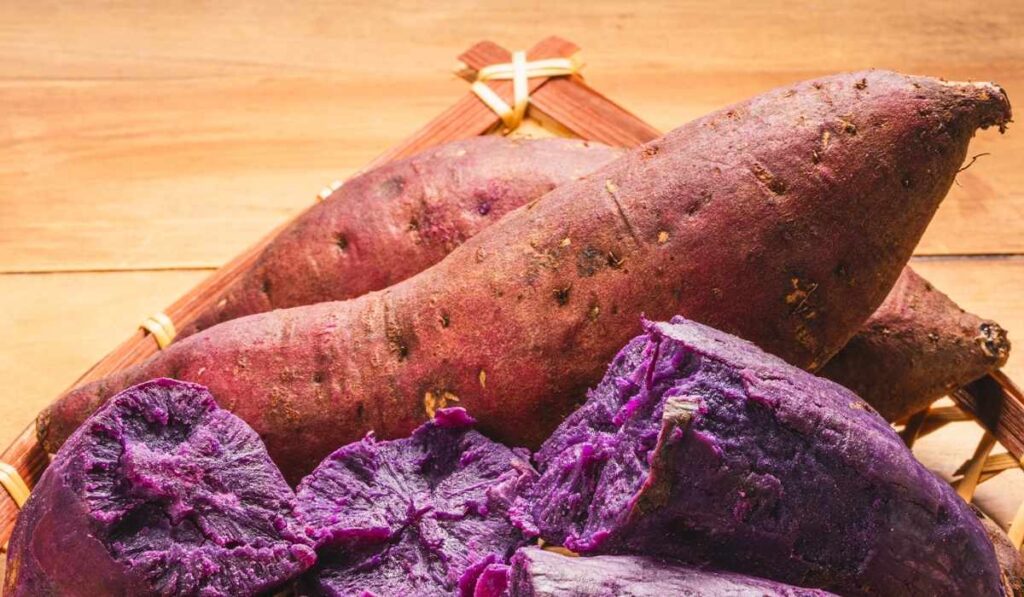
The method of preparation influences what flavour is ube. Steaming or boiling ube preserves its mild sweetness, while roasting or baking enhances the nutty, earthy notes. For ube halaya, the yam is boiled, mashed, and cooked with coconut milk, sugar, and butter, emphasizing its creamy texture and natural flavor. In baking, pureed ube can be combined with flour and other ingredients to retain its unique taste while providing a vibrant color in cakes and pastries. Proper preparation ensures that ube’s characteristic sweet, earthy, and nutty flavor remains prominent.
Flavor Pairings with Ube
Understanding what flavour is ube involves exploring complementary ingredients. Coconut milk and cream enhance ube’s smooth texture and mild sweetness. Chocolate, condensed milk, and caramel highlight its nutty undertones. Vanilla enhances its natural aroma, while dairy products add creaminess. These pairings are essential for both traditional and contemporary dishes, ensuring that ube’s unique flavor is balanced and enhanced without overpowering the overall dish.
Ube in Global Cuisine
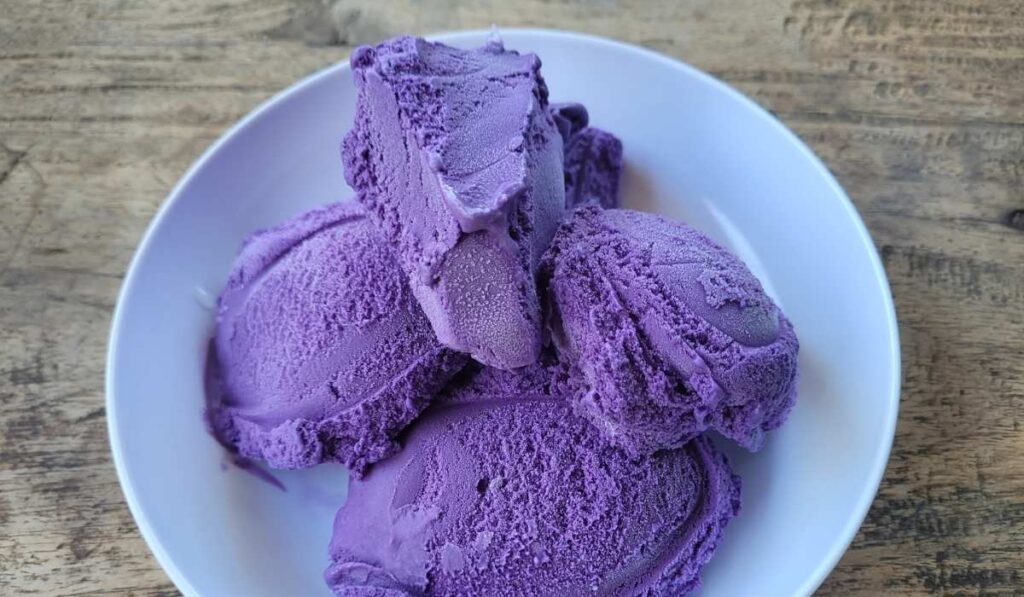
As ube gains popularity worldwide, chefs are incorporating it into fusion cuisine. Ube macarons, ice cream, and savory dishes are appearing on menus in Asia, Europe, and North America. Recognizing what flavour is ube allows culinary innovators to maintain authenticity while exploring creative uses. Its sweet, earthy, and nutty notes provide versatility that makes it suitable for both familiar and experimental dishes.
Final Thoughts
Ube’s distinctive taste and vibrant color make it a celebrated ingredient both in Filipino cuisine and in international culinary applications. Its sweet, nutty, and earthy flavor answers the question of what flavour is ube, providing a foundation for traditional and modern dishes alike. Chefs and home cooks can use it in desserts, baked goods, beverages, and more to create unique flavor experiences. For further reading on ube and its culinary significance, see what flavour is ube.
Frequently Asked Questions
1. What does ube taste like?
- Ube tastes sweet, slightly nutty, and has mild earthy undertones.
2. Is ube the same as purple sweet potato?
- No, ube is a yam with a creamier texture and distinct nutty flavor.
3. Can ube be used in savory dishes?
- Yes, its mild flavor can complement coconut, rice, and vegetable dishes.
4. How do I enhance the flavor of ube in desserts?
- Pairing ube with coconut milk, vanilla, or cream cheese enhances its flavor.
5. Is ube healthy to eat?
- Yes, ube contains fiber, antioxidants, and vitamins while being naturally sweet.